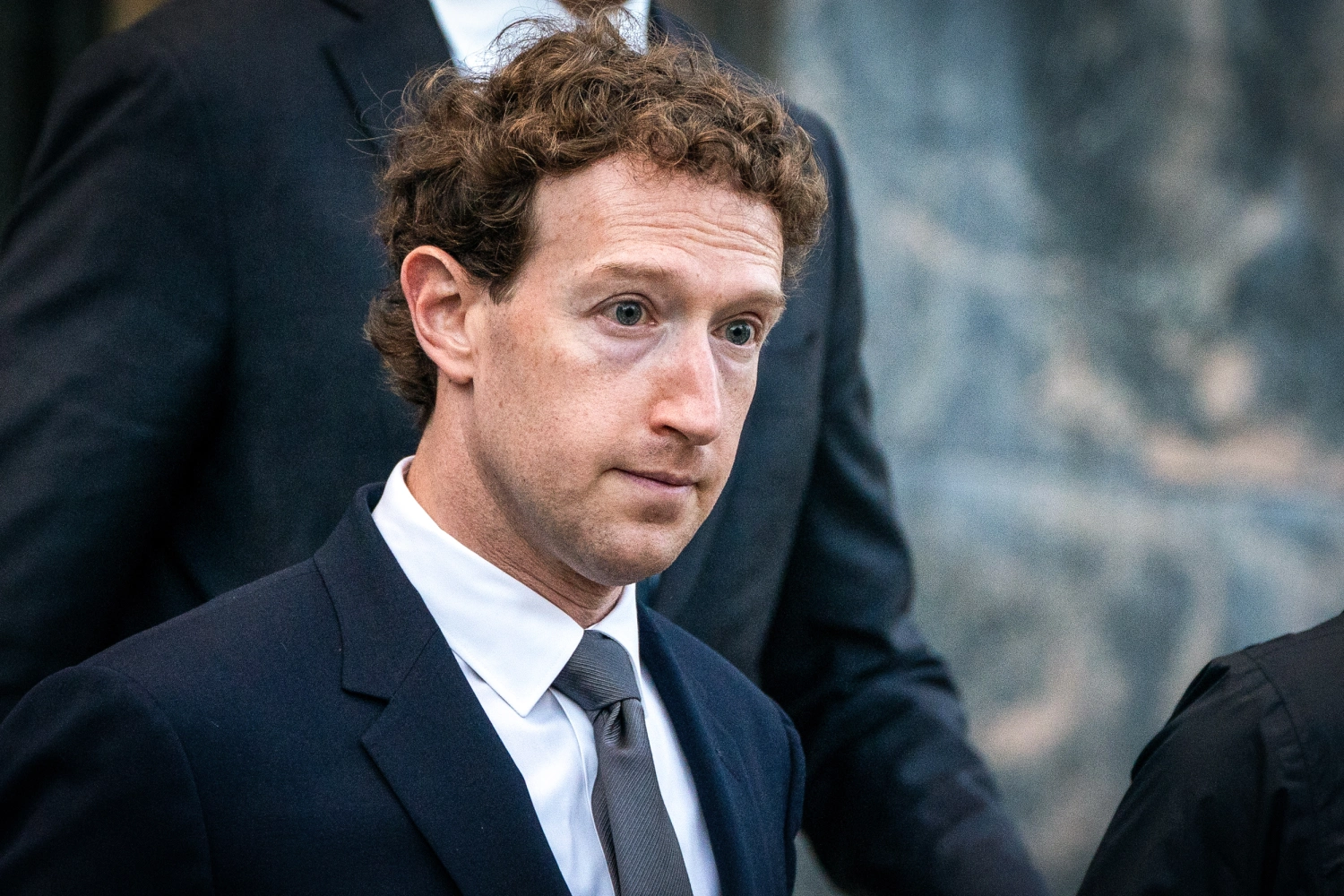
What $6M Meta and YouTube Social Media Addiction Case Means for Your Marketing Budget
Personal Brand Development Problem – When Celebrity Actions Contradict Stated Values, 2026 Oscars Analysis
For anyone a genuine personal brand development – not just a following, but a brand built on specific values and positioning – the 2026 Oscars offers crucial lessons. The most powerful personal brands aren’t built by people who manage contradictions elegantly. They’re built by people who eliminate contradictions.
Google Trends Data – Predicting What Markets Want Before It Becomes Mainstream
Last week in the UK market, something straightforward happened: cream tea search interest jumped 4,600% in 30 days. Not because of media coverage or influencer recommendation. Because people were actively searching for it-looking to buy it, gift it, experience it.
Why Marketing in Malta Plays by Different Rules Than Mainland Europe
When I moved to Malta, I already carried 12 years of marketing experience and a quiet assumption that working on a small European island would be simpler than navigating the sprawling markets I had worked in before. A smaller audience, a tighter geography, fewer variables. It looked almost like a controlled experiment. I was wrong. And the ways in which I was wrong have taught me more about marketing fundamentals than any large-scale campaign ever did.
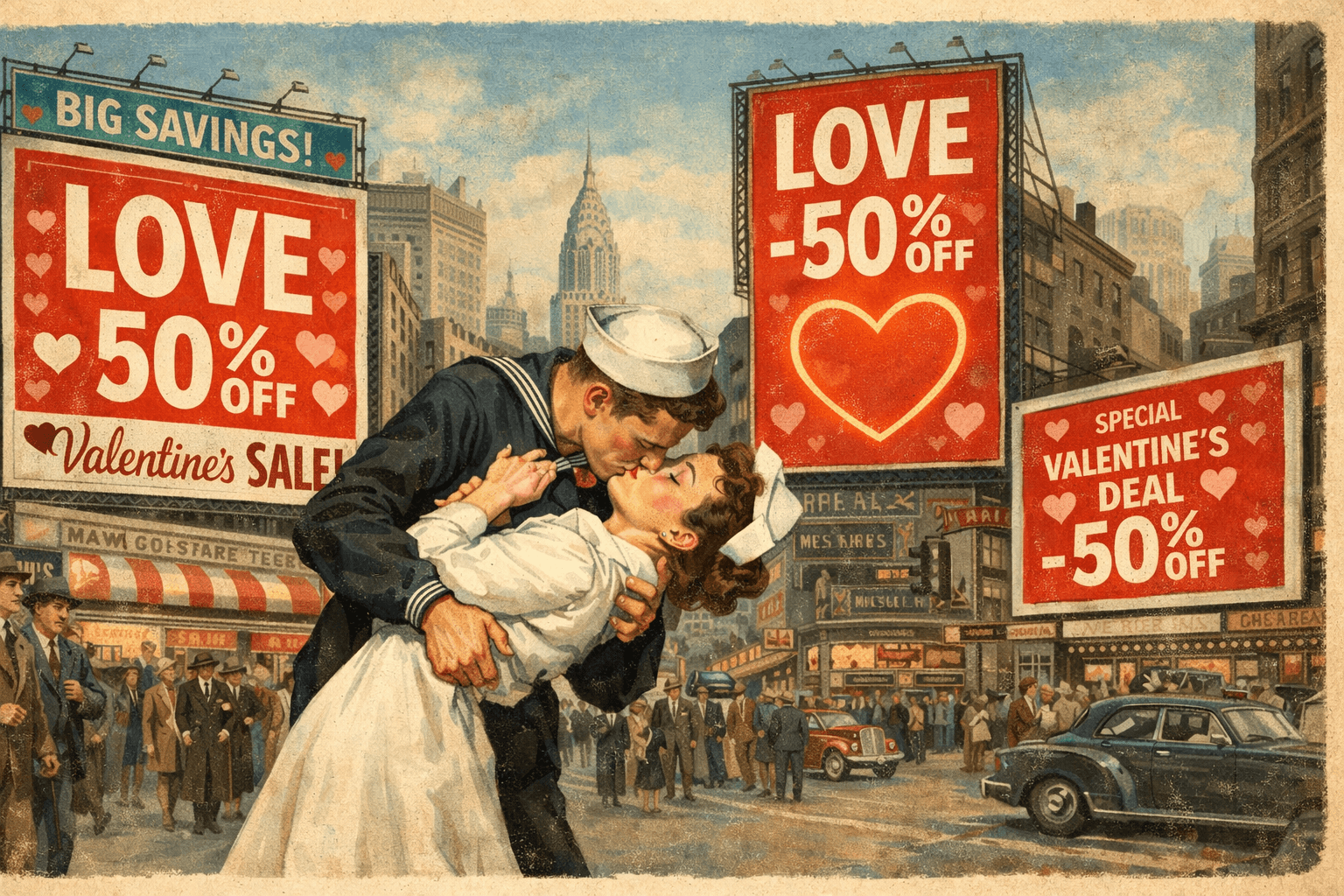
Love Marketing – What Erich Fromm Would Say About $29B One-Day Love Economy
Valentine's Day 2026 is projected to generate $29.1 billion in U.S. consumer spending. That figure comes from the National Retail Federation and Prosper Insights & Analytics (surveyed Jan 2–8, 2026; 7,791 respondents; margin of error ±1.1%). For anyone whose work touches love marketing - from CMOs to founders building personal brands - this number deserves more than a headline. It deserves a diagnosis.
Pet Marketing Strategy – When Emotion Opens the Door but Fails to Close the Sale
Something curious happens when you watch pet marketing closely. Brands invest heavily in emotional content - the slow-motion reunion, the golden-hour cuddle, the tagline about unconditional love. Viewers feel something genuine. And then, more often than brands would like to admit, nothing happens. The feeling fades. The purchase doesn't really materialise.
Micro influencer marketing – Why smaller audiences drive bigger results
Your customers trust the voices that genuinely help them find what they need, not the famous voices that just look good holding your product. You're not buying follower count. You're buying the probability that followers will notice, care, and convert.
Crisis communication strategy – When silence is your best response
The crisis playbook says respond immediately. Address concerns. Control the narrative. Show leadership. In most situations, that advice is correct. But in a meaningful minority of cases, speaking up transforms minor incidents into major crises. The skill most crisis communicators lack isn't crafting statements - it's knowing when to stay quiet.
Marketing team problems – Why 7 people in the boardroom kill your best marketing ideas
Focus groups aren't useless. But they're dramatically misused - treated as decision-making tools when they're actually exploration tools, confused with representative samples when they're convenience samples, and elevated to research authority when they're structured conversations with strangers.
Post-publishing edits – Why that “quick fix” after publishing kills your social media engagement
Every major social platform has optimised its distribution algorithms around initial engagement signals. When you modify content after publication, you're not just fixing text - you're triggering a reassessment process that often resets the momentum you'd already built. That is an algorithmic penalty most marketers trigger without realising it. Understanding how each platform handles post-publication edits separates marketers who consistently reach their audiences from those who unknowingly sabotage their own content.
Personal brand strategy – Why you need an editor, not a megaphone
The megaphone approach to personal branding fails because it confuses visibility with authority. You can be seen without being respected. You can be present without being valuable. The executives who actually build influence aren't the ones posting most - they're the ones posting with intent, editing ruthlessly, and understanding that restraint is a positioning strategy.